
Extractions that need extra planning
Surgical Extraction
Removal of impacted or broken teeth after imaging and a surgical plan.
Learn moreWhen a tooth cannot be kept
Simple extraction is suggested when a tooth no longer has a stable function or when conservative treatment is not reliable. Alternatives — a filling, root canal treatment, or a restoration — are explained first. The extraction itself is done with local anaesthesia and clear healing instructions.
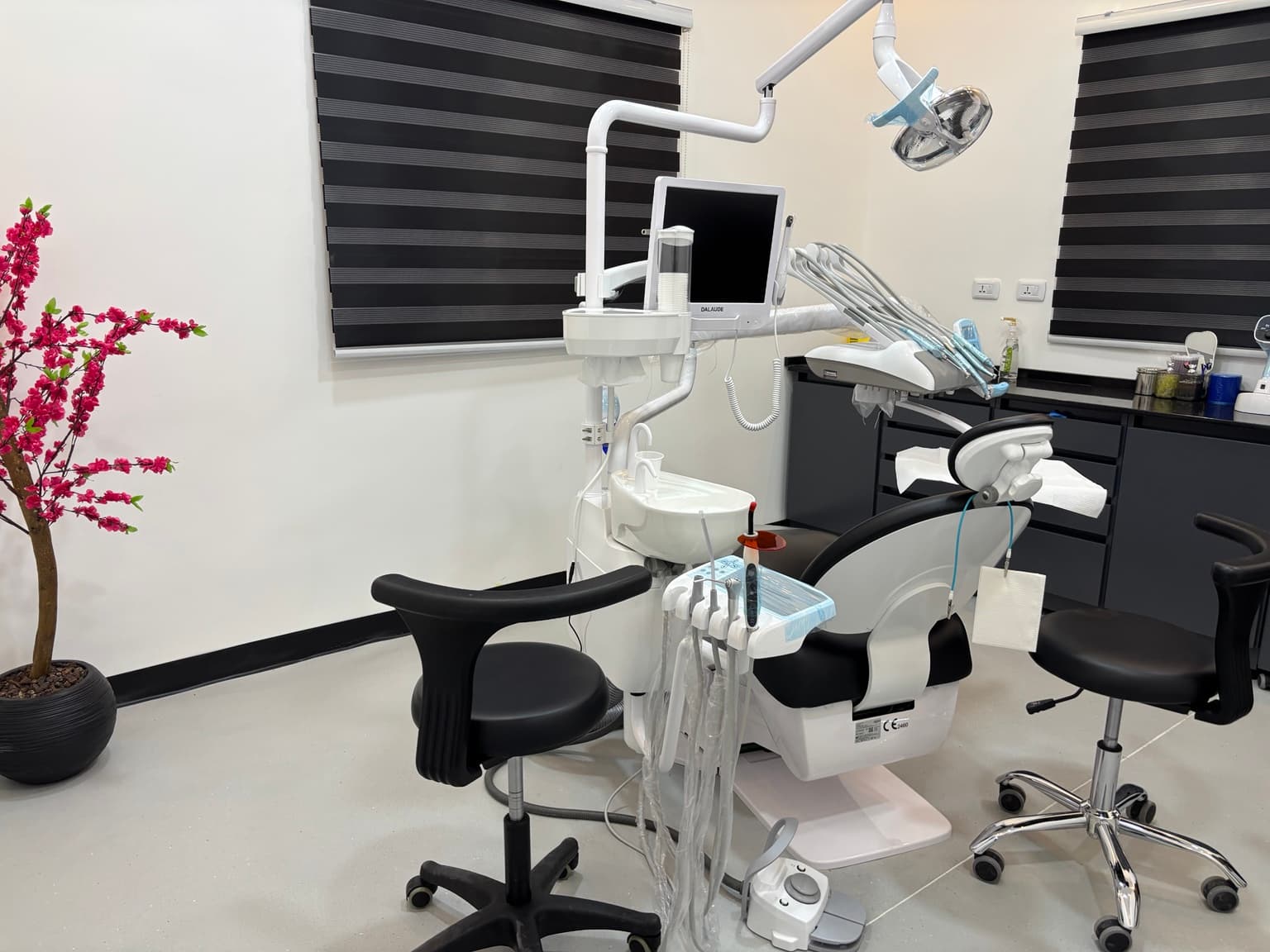
Bite on gauze as instructed. Avoid vigorous rinsing, smoking in the early period, and blowing on the socket. Light bleeding is expected. Heavy bleeding, severe swelling, or fever should be reported to the clinic.
Medical note
Some teeth become surgical extractions during the visit if a root is curved or fragile. Replacing the gap is not mandatory in every case, but it is discussed to limit drifting of neighbouring teeth.
When it cannot be restored reliably, or when it threatens the gums, bone, and nearby teeth. Pain alone does not always mean extraction; examination comes first.
Not always. Wisdom teeth, for example, are often not replaced. Visible teeth or teeth that affect the bite may be discussed for an implant, bridge, or removable prosthesis.
Extractions that need extra planning
Removal of impacted or broken teeth after imaging and a surgical plan.
Learn moreReplacing missing teeth
Clinical assessment of options for missing teeth, including implants when they are appropriate.
Learn moreFixed restorations
Fixed restorations to protect weakened teeth or replace a missing tooth when supporting teeth are suitable.
Learn moreShare your name, phone number, and a preferred time. We confirm the appointment on WhatsApp after reviewing the request.